Our work
One pipeline, three places people get stuck.
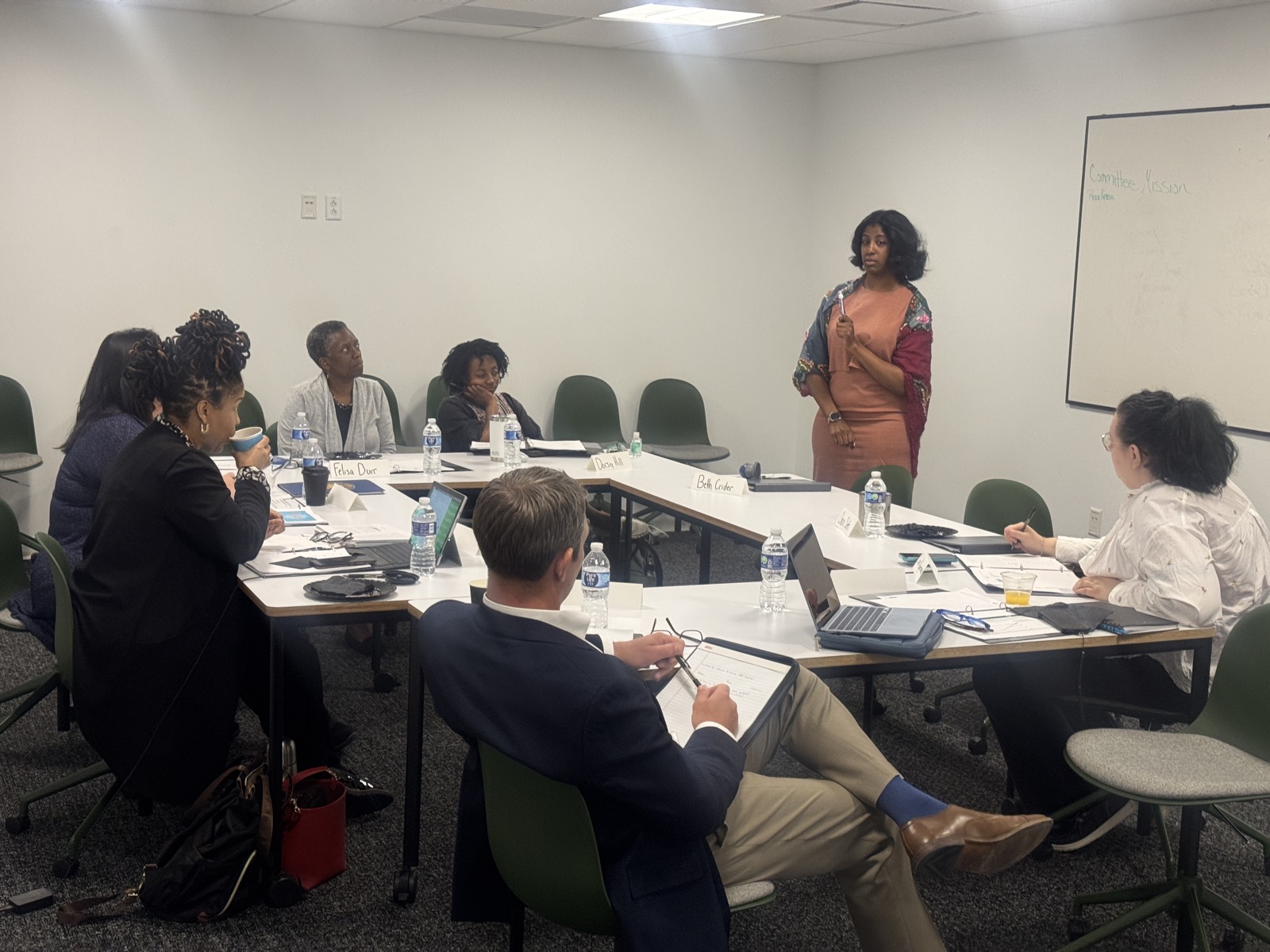
The Alliance does not run its own training. It aligns the organizations that do, through three standing committees that each own one stretch of the path from school to sustaining work.
-
01
Emerging Workforce
Before the first job.
K-12 career awareness, career and technical education, dual credit, and work-based learning that connects students to real regional employers.
-
02
Upskilling Workforce
Moving up, not starting over.
Short-term credentials, employer-led training, and career laddering for adults already in the workforce.
-
03
Multiple Barriers
When something is in the way.
Transportation, housing, childcare, record, and disability barriers — and the employer practices that keep good candidates out.
Emerging Workforce
Before the first job.
The Emerging Workforce Committee prepares the next generation of talent in Greater Peoria and works to keep that talent in the region.
With a shared vision of equitable access to opportunity, we connect youth and young adults to high-quality career pathways that lead to sustainable, meaningful employment in our regional economy.
By bringing together educators, employers, community organizations, and youth-serving partners, the committee strengthens career awareness, expands experiential learning, and aligns education with the evolving needs of local industries.
Co-chairs
- Beth Crider Superintendent, Peoria Regional Office of Education (ROE 48)
- Sandy Arreguin Dean of College and Career Readiness, Illinois Central College
What we keep an eye on
- Career exploration and awareness in K-12
- Enrollment in Career & Technical Education (CTE) programs
- Dual credit and dual enrollment participation
- Work-based learning opportunities for students
- Career pathway alignment with high-demand sectors
- Equity in access to early career experiences
- Youth engagement and retention in the region
Current initiatives
- Pathways to Prosperity Building structured pathways that carry students from high school into postsecondary credentials and careers.
- CareerSpark Expansion Growing the regional career-exploration event that introduces students to local employers and in-demand work.
- Industry-Connected Classrooms Bringing employers into the classroom so coursework reflects the work being done in the region.
- PaCE Framework Adoption Adopting Illinois' Postsecondary and Career Expectations framework across regional districts.
- High School Internships Expanding paid, credit-bearing work experience before graduation.
- Early College Credit Widening dual credit and dual enrollment so students finish high school already progressing toward a credential.
- Pathway Endorsements Supporting districts pursuing College and Career Pathway Endorsements.
- Regional Data Infrastructure Tracking student movement through pathways so the region can see what is working.
Upskilling Workforce
Moving up, not starting over.
The Upskilling Committee prepares the region’s workforce for the jobs of today — and tomorrow.
It unites employers, training providers, educational institutions, and community partners to coordinate initiatives that expand access to high-quality upskilling and reskilling opportunities.
The focus is on working adults: people already holding a job who need a credential, a new skill, or a clear next rung to move into higher-wage work.
Co-chairs
- Dr. Jamel Wright President, Eureka College
- Jason Fark Vice President, Chase Bank
What we keep an eye on
- Emerging skill gaps across priority industries
- Industry-driven credentialing and certifications
- Adult learner and mid-career worker training
- Career laddering and advancement pathways
- Employer investment in internal talent development
- Alignment between educational offerings and job market demand
- Sector partnerships and co-designed training programs
Current initiatives
- Regional Upskilling Landscape Study Mapping what training exists in the region, who it reaches, and where the gaps are.
- Fast Track Career Pathways Short-term, stackable credentials that lead to immediate wage gains.
- Employer-Led Curriculum Development Training built with the employers who will hire the graduates.
- Work-Based Learning Integration Apprenticeships and earn-and-learn models embedded in training.
- Talent Pipeline Management Helping employers forecast skill needs and build pipelines to meet them.
- Essential Skills Training Regional delivery of GPEAK, the essential employability skills certification.
Multiple Barriers
When something is in the way.
The Multiple Barriers Committee focuses on people facing obstacles to employment and education success — among them lack of transportation, housing instability, legal challenges, and limited education.
The committee builds cross-sector partnerships among employers, educators, community organizations, and government agencies. It is a collaborative, data-informed effort to transform lives through opportunity.
Progress is tracked across three groups: people securing basic income and benefits, people obtaining entry-level positions with coaching, and people advancing into career pathways in the trades, healthcare, IT, solar, and manufacturing.
Co-chairs
- Dr. Arnitria Shaw Vice President of Workforce and Diversity, Illinois Central College
- Felisa Durr Vice President of Workforce Development, Tri-County Urban League
What we keep an eye on
- Structural barriers to employment
- Gaps in support services
- Equity in access to training
- Second-chance hiring policies and reentry pathways
- Supportive services for individuals with disabilities
- Employer education on hiring neurodivergent individuals
- Service coordination and outcomes tracking
Current initiatives
- Barrier Mapping Project Documenting where people fall out of the pipeline, and why.
- Transportation Solutions Pilot Testing ways to get people to work and training in a region where transit does not reach every shift.
- Employer Toolkit for Inclusive Hiring Practical guidance for employers widening who they can hire.
- Reentry Project Connecting people leaving the justice system to training and second-chance employers.
Nobody reaches 60% alone.
Employers, educators, and community partners are already at the table. Join them.